Skip to content
Menu
  • Home
  • General
  • Social Media
  • Shopping
  • Internet Marketing
  • Talk Back
Emptynestonline

Author: jack

Proper chip bag sizes contribute to effective branding and product visibility

Posted on March 30, 2026April 1, 2026

Choosing the right chip bag sizes plays a vital role in shaping a product’s success in competitive retail environments. Packaging is often the first interaction consumers have with a product, making size, design, and structure essential for both branding and visibility. When businesses carefully select appropriate chip bag sizes, they create a strong visual impact while delivering practical benefits that improve overall customer experience.

The Role of Packaging in Brand Identity

Chip bag sizes directly influence how a product is perceived on store shelves. A well-sized package not only protects the contents but also provides a canvas for branding elements such as colors, typography, and imagery.

  • Larger bags offer more space for creative storytelling and bold visuals
  • Compact sizes create a sleek, modern appearance that appeals to convenience-focused consumers
  • Consistent sizing across product lines strengthens brand recognition
  • Well-proportioned packaging ensures logos and messaging remain clear and readable

By aligning bag size with brand identity, businesses can communicate quality, reliability, and value at a glance.

Improving Shelf Presence and Visibility

In crowded retail spaces, standing out is essential. Proper chip bag sizes help products capture attention and maintain a strong presence among competitors.

  • Optimized dimensions allow products to be displayed neatly and prominently
  • Balanced sizes prevent overcrowding on shelves, improving product visibility
  • Eye-level placement becomes more effective with well-structured packaging
  • Uniform sizing enhances the overall aesthetic of retail displays

When packaging is designed with visibility in mind, it increases the likelihood of attracting consumer interest and encouraging purchase decisions.

Supporting Consumer Convenience and Appeal

Modern consumers value convenience, and chip bag sizes can significantly influence buying behavior. Offering a variety of sizes ensures that different needs and preferences are met.

  • Smaller bags are ideal for on-the-go snacking and portion control
  • Medium sizes cater to individual enjoyment with extended freshness
  • Larger bags suit family sharing and social occasions
  • Resealable options in appropriate sizes enhance usability and satisfaction

By addressing diverse consumption habits, businesses can build stronger connections with their audience while improving overall product appeal.

Enhancing Storage and Distribution Efficiency

Proper chip bag sizing is not only beneficial for branding but also for operational efficiency. Thoughtful packaging dimensions streamline logistics and reduce waste.

  • Efficient sizes maximize storage capacity in warehouses and retail spaces
  • Stackable designs improve transportation and handling
  • Reduced excess packaging supports sustainability initiatives
  • Standardized sizes simplify inventory management

These advantages contribute to cost-effectiveness while maintaining high product quality and presentation standards. Eco-conscious brands reduce waste through optimized chip bag sizes.

Creating a Positive Consumer Experience

Ultimately, the right chip bag size enhances the overall experience from purchase to consumption. A well-designed package reflects attention to detail and commitment to quality.

  • Easy-to-handle sizes improve user comfort
  • Visually appealing packaging builds trust and loyalty
  • Appropriate portion sizes encourage repeat purchases
  • Durable materials ensure product freshness and integrity

Conclusion

Proper chip bag sizes are a powerful tool for improving branding and product visibility. By combining thoughtful design, practical functionality, and consumer-focused sizing, businesses can create packaging that stands out, supports efficiency, and delivers a positive experience. Investing in the right chip bag dimensions not only elevates brand perception but also drives long-term success in an increasingly competitive marketplace.

Why Most DIY Pressure Washing Jobs Create Problems That Don’t Show Up Until Months Later

Posted on March 28, 2026April 1, 2026

Pressure washing is one of those chores that *feels* foolproof. Point wand. Pull trigger. Watch the grime evaporate. Satisfying, fast, borderline addictive.

And then six months later you’re staring at bubbling paint, a musty smell near the rim joist, or deck boards that suddenly look like they’ve aged five years.

One line, because it’s the truth:

You can “win” the cleaning and still lose the house.

The obvious damage is loud. The real damage is quiet.

If you blast too close or hit the wrong angle, you’ll see it right away: chips, stripes, fuzzy wood grain, etching in concrete. That’s the stuff people post online and laugh about.

The quieter failures take longer because they rely on physics and biology doing what they always do when you introduce water into places it doesn’t belong.

– Water gets behind siding laps and trim joints

– Wet insulation dries slowly (or not at all)

– Sun heats a damp wall cavity like a low-grade incubator

– Mold, rot, and coating failure show up later, right when you’ve forgotten what you did

Here’s the thing: pressure washing isn’t just cleaning. It’s impact. It’s water injection. It’s abrasion. Sometimes it’s chemical exposure, too. And if you’re wondering, how often should driveways be pressure-washed? The answer depends on traffic, climate, and surface condition, but overdoing it can cause just as many problems as neglecting it.

Hot take: Most DIY rigs don’t “clean better.” They just fail differently.

People assume pro results come from more PSI. That’s the myth that keeps repair contractors busy.

In my experience, the average homeowner setup creates two common problems:

1) Unstable output (pumps surging, cheap tips, inconsistent fan pattern)

2) Overconfidence because it *looks* like the dirt is coming off

A pro can absolutely ruin a surface too, but pros tend to control the variables: nozzle selection, stand-off distance, dwell time, rinse strategy, and, big one, where the water is going *after* it hits the wall.

DIY tends to be: “Seems fine.”

Until it isn’t.

When surfaces don’t match the method (and your siding pays for it)

Pressure Washing

You can’t treat vinyl, fiber cement, stained cedar, painted trim, and old mortar like they’re all the same “outside stuff.” They react differently to force, heat, and chemistry. Some fail immediately. Others fail on delay.

A few material-specific failure patterns I see a lot

Wood decks:

Too much pressure raises the grain and shreds soft earlywood. You don’t always notice until it dries and looks permanently “fuzzy.” Sealants then soak unevenly, and the board starts checking faster.

Vinyl siding:

It’s not usually the vinyl that “breaks.” It’s the *system*. High-angle spray can push water up behind laps. Next thing you know, you’ve got damp sheathing or mildew lines that reappear like clockwork.

Fiber cement / painted substrates:

Micro-abrasion plus water intrusion equals paint that starts peeling in sheets later. People blame “bad paint.” Sometimes it is. Often it’s pressure and technique.

Masonry:

Old brick and soft mortar joints don’t want a cutting jet. Etching might be subtle at first. Give it freeze-thaw cycles and you’ve basically accelerated deterioration.

Now, this won’t apply to everyone, but if your house has older coatings or mystery layers from previous owners, assume the surface is *less durable than it looks*. That assumption saves money.

PSI isn’t the whole story (but it’s the part people obsess over)

PSI gets the spotlight because it’s printed on the box. The surface doesn’t care about marketing. It cares about impact energy at the material, which is shaped by PSI *and* tip angle *and* distance *and* flow rate.

A narrow tip at close range is basically a carving tool.

A wider fan at a controlled distance can be gentle enough for many tasks even at moderate pressure. That’s why “I only used 2500 PSI” doesn’t mean much without the rest of the setup.

Also: if your nozzle is worn, the spray pattern changes. If your pump is surging, you get uneven striping. If your hose is collapsing internally (yes, that happens), you get pressure fluctuations that make you compensate by getting closer… and that’s when you gouge things.

Mold and “still-dirty” areas you can’t see from where you’re standing

DIY washing often leaves little sanctuaries: undersides, shadow lines, textured sections, the backside of railings, the bottom lip of siding runs. Spores love those spots because they’re protected from sun and stay damp.

Even worse, some cleaning approaches *redistribute* growth instead of removing it. A too-fast pass, no dwell time, weak rinsing, or blasting from the wrong direction can push organic material into seams and pores. It looks clean for a while. Then the staining returns, usually darker.

Look, if you can’t verify coverage, you didn’t really finish the job. You just made the visible parts look better.

Poor rinsing + weak seals = the kind of water problem you don’t connect to pressure washing

This is where months-later problems are born.

Residual detergents left on surfaces can hold moisture and attract dirt, but the bigger issue is water that gets behind trim, around windows, under sill plates, or into deck fastener penetrations. Once it’s in there, drying is slow, especially if airflow is limited.


Signs you’ll see later:

– localized peeling paint (often under a window corner)

– swollen trim edges or soft spots

– recurring mildew that “doesn’t make sense”

– damp smells near certain walls after rain

If you’ve got cracked caulk or failing sealant and you hit it with a pressure stream, you’re basically pressure-testing the envelope. Most houses don’t pass that test.

Tools myths that quietly drain your wallet

Cheap pressure washer packages usually fail in predictable ways: flimsy hoses, poor fittings, tips that don’t hold a consistent fan, and pumps that degrade fast under real use. The cost shows up as time, rework, and surface damage, not just replacement parts.

And yes, durability matters even if you only use it a couple times a year. Tools degrade while sitting too: seals dry, fuel gums up (for gas units), and tips corrode.

If you’re trying to “save” money, buying unreliable equipment is a strange strategy.

Weather and coatings: the variables that don’t care about your weekend plans

Sun, humidity, temperature swings… all of it changes outcomes. Coatings behave differently depending on heat and moisture, and some cleaners flash-dry too quickly in full sun, leaving residues or uneven results.

I’m opinionated on this: washing a surface you plan to repaint or reseal without thinking about drying conditions is a classic self-own. If the substrate holds moisture and you trap it under a new coating, you’ve set up blistering and peeling later. That’s not bad luck. That’s process failure.

One data point, because it frames the risk: the U.S. Environmental Protection Agency notes that mold can begin growing on damp materials within 24, 48 hours under the right conditions (EPA, “Mold Cleanup in Your Home”). That timeline is brutal if you’ve pushed water into cavities that dry slowly.

Source: https://www.epa.gov/mold/mold-cleanup-your-home

Red flags before you even start (yes, you should actually look)

If you see any of these, pause:

– peeling or chalking paint

– soft wood, raised grain, punky deck boards

– cracked caulk at trim joints

– loose mortar, spalling brick, crumbling parge coat

– stains that look like water pathways, not dirt

Two-minute test I like: pick a hidden spot, do a gentle pass from farther away, and watch what happens as it dries. If fibers lift, coating flakes, or the color changes weirdly, you just saved yourself a bigger mess.

 “Do I even need a pressure washer?” (Sometimes… no.)

A lot of exterior cleaning is better handled with low-pressure methods: a garden hose, a pump sprayer, a soft brush, and the right cleaner with proper dwell time. It’s slower, less dramatic, and often more effective because you’re not relying on force to do chemistry’s job.

Good alternatives when you’re unsure:

– low-pressure rinse + detergent dwell + soft scrub on problem areas

– targeted treatment for algae/mildew instead of blasting everything

– gentle washing that respects seams, laps, and aged coatings

I’ve seen “soft wash” approaches outperform aggressive pressure work on siding because they clean deeper without turning the building envelope into a sponge.

DIY or hire a pro? Use a simple decision framework

If the surfaces are newer, accessible, and in good condition, and you’re willing to be patient, DIY can be fine.

If you’re dealing with height, unknown coatings, older wood, tricky seams, or any history of leaks? I lean pro. Not because pros are magical, but because you’re paying for controlled technique, better equipment, and someone who (ideally) understands where water goes when it ricochets off a wall at 30 mph.

A practical gut-check question:

If this goes wrong, can I afford the repair and the time it takes to discover it?

If that answer makes you uneasy, that’s your signal.

How Long Does It Take to Import a Car from Japan?

Posted on March 25, 2026July 3, 2026

Importing a car from Japan is an exciting process that combines careful planning, logistics, and anticipation. While the exact timeline can vary depending on several factors, the process is generally smooth and well-structured. Understanding each stage helps set realistic expectations and ensures a positive experience from start to finish.

Typical Timeframe Overview

On average, importing a car from Japan can take 4 to 12 weeks. This duration depends on shipping schedules, paperwork processing, and customs clearance in the destination country. Understanding timelines helps buyers plan better when asking how long does it take to import a car from Japan, ensuring a smooth and organized process.

Key Stages of the Import Process

  1. Vehicle Selection and Purchase (3–7 days)
  • Choosing the right car is often quick due to the wide availability of options
  • Once selected, payment and documentation are handled efficiently
  • Export arrangements begin immediately after confirmation
  1. Export Preparation (5–10 days)
  • The vehicle undergoes inspection and compliance checks
  • Export certificates and ownership documents are prepared
  • The car is booked for shipment on the next available vessel
  1. Shipping Time (2–6 weeks)
  • Transit time depends on the destination country and port
  • Direct routes are faster, while indirect routes may take longer
  • Weather and port traffic can occasionally affect schedules

Shipping duration examples:

  • Nearby regions: 2–3 weeks
  • Mid-distance destinations: 3–5 weeks
  • Farther regions: 4–6 weeks
  1. Customs Clearance and Delivery (5–10 days)
  • Import duties and taxes are assessed and processed
  • Local inspections ensure compliance with regulations
  • Final delivery or pickup is arranged smoothly

Factors That Can Influence the Timeline

Several elements can impact how quickly the process is completed:

  • Shipping route availability – More frequent routes reduce waiting time
  • Port efficiency – Busy ports may take slightly longer to process arrivals
  • Documentation accuracy – Correct paperwork speeds up approvals
  • Seasonal demand – High shipping seasons can extend timelines
  • Inspection requirements – Some countries require additional checks

Tips to Ensure a Faster Import Process

  • Prepare all necessary documents in advance
  • Stay responsive during communication and approvals
  • Choose shipping schedules that align with your timeline
  • Double-check import regulations in your country
  • Work with experienced professionals for smooth coordination

Why the Process Is Worth the Wait

Despite the timeline, importing a car from Japan offers several advantages:

  • Access to well-maintained and high-quality vehicles
  • Competitive pricing compared to local markets
  • A wide selection of models and specifications
  • Reliable export systems that ensure transparency
  • Strong attention to detail in inspections and documentation

Importing a car from Japan is a structured and rewarding journey that typically takes a few weeks from purchase to delivery. Each step is designed to ensure quality, compliance, and safety, making the wait worthwhile. With proper preparation and a clear understanding of the process, you can enjoy a seamless experience and look forward to receiving your vehicle with confidence.

Detailed Insight into Snaptik Review Download Speed and Quality

Posted on March 19, 2026March 19, 2026

Snaptik has gained attention as a convenient tool for downloading short-form video content quickly and efficiently. Its appeal largely comes from how smoothly it handles downloads while maintaining strong output quality. Below is a closer look at the key aspects that make its performance stand out.

Download Speed Performance

One of the most appreciated features is its impressive download speed. Users often highlight how quickly files are processed and saved without long waiting times.

Key strengths include:

  • Rapid processing of video links with minimal delay
  • Consistent performance even during repeated downloads
  • Efficient handling of both short and longer video files
  • Reduced buffering time before downloads begin
  • Smooth experience even on moderate internet connections

This level of speed enhances overall usability, allowing users to save content almost instantly without interruptions.

Video Quality Output

Download TikTok Videos

Another strong point is the quality of the downloaded videos. Maintaining clarity and resolution is essential, and this tool performs well in that area.

Quality-related highlights:

  • High-definition output retained after download
  • Minimal compression loss, preserving original visuals
  • Clear audio synchronization with video playback
  • Support for multiple resolution options
  • Consistent quality across different file sizes

Users can expect a viewing experience that closely matches the original content, which adds to its reliability. Many people prefer downloading clean clips through services that support Tải Video TikTok Không Logo, ensuring a watermark-free viewing experience.

Stability and Reliability

Beyond speed and quality, stability plays a crucial role in user satisfaction. The tool demonstrates dependable performance across different usage scenarios.

Notable reliability features:

  • Low failure rate during downloads
  • Quick recovery from minor interruptions
  • Stable operation across multiple sessions
  • Consistent results without unexpected errors
  • Reliable handling of bulk downloads

This consistency ensures that users can depend on it for regular use without frustration.

Ease of Use and Accessibility

A smooth user experience is another factor contributing to its popularity. The process remains straightforward and intuitive.

User-friendly aspects:

  • Simple steps to initiate downloads
  • Minimal input required from users
  • Clean and easy-to-understand interface
  • Quick navigation between functions
  • No complex setup or configuration needed

This simplicity makes it accessible to both new and experienced users.

Overall Performance Impression

Combining speed, quality, and reliability, Snaptik delivers a well-rounded experience that meets user expectations effectively. It manages to balance fast performance with high-quality output, making it a dependable choice for downloading video content.

Summary of advantages:

  • Fast and efficient download process
  • Strong retention of video and audio quality
  • Stable and consistent functionality
  • Easy-to-use design with minimal effort required
  • Positive overall user experience

The combination of these elements creates a seamless workflow, allowing users to download and enjoy content without compromise.

Achieve Better Results Using Smart and Targeted Cold Email Campaigns

Posted on March 17, 2026March 18, 2026

Achieving meaningful engagement through cold email campaigns is possible when strategy meets precision. Rather than sending generic messages to large lists, a smarter and more targeted approach helps build genuine connections, improve response rates, and drive better outcomes.

Understand Your Ideal Audience

Before drafting a single email, clarity about your audience is essential.

  • Identify key characteristics such as industry, role, and interests
  • Focus on specific challenges your audience may be facing
  • Segment your contact list based on shared traits
  • Prioritize quality of contacts over quantity

This groundwork ensures your message reaches people who are more likely to respond positively.

Craft Highly Personalized MessagesB2B Leads

Personalization transforms cold emails into meaningful conversations.

  • Use the recipient’s name naturally within the message
  • Reference relevant details such as recent achievements or goals
  • Tailor the message to align with their specific needs
  • Keep the tone conversational and approachable

A personalized email shows effort and respect, making it more likely to capture attention.

Write Clear and Compelling Subject Lines

The subject line determines whether your email gets opened.

  • Keep it concise and relevant
  • Spark curiosity without being misleading
  • Highlight a clear benefit or value
  • Avoid overly complex or generic phrasing

Strong subject lines set the stage for higher engagement rates. Crafting thoughtful messages with genuine value increases response rates and transforms simple outreach into impactful Cold Email campaigns.

Focus on Value-Driven Content

Every email should clearly communicate value.

  • Address a specific problem and offer a solution
  • Highlight benefits rather than just features
  • Keep the message concise and easy to scan
  • Include a clear and simple call to action

When recipients immediately see how your message can help them, they are more inclined to respond.

Optimize Timing and Frequency

Sending emails at the right time can improve effectiveness.

  • Test different days and times to identify optimal performance
  • Avoid sending too many emails in a short period
  • Space follow-ups thoughtfully to maintain interest
  • Respect the recipient’s time and inbox space

Consistency combined with thoughtful timing enhances overall results.

Use Strategic Follow-Ups

Follow-ups are essential for maximizing response rates.

  • Send polite and friendly reminders
  • Add new value in each follow-up message
  • Keep follow-ups short and purposeful
  • Limit the number of follow-ups to avoid overwhelming recipients

Well-crafted follow-ups often turn initial silence into engagement.

Track and Improve Performance

Continuous improvement ensures long-term success.

  • Monitor open rates, responses, and conversions
  • Identify patterns in successful campaigns
  • Refine messaging based on feedback and results
  • Experiment with different approaches to optimize performance

Data-driven adjustments help create more effective campaigns over time.

Maintain a Positive and Professional Tone

The tone of your emails plays a crucial role in building trust.

  • Stay polite, respectful, and optimistic
  • Avoid overly aggressive or pushy language
  • Show genuine interest in helping the recipient
  • Keep communication simple and professional

A positive tone encourages stronger connections and better responses.

Build Long-Term Relationships

Cold emails are just the beginning of potential partnerships.

  • Focus on starting conversations rather than closing deals immediately
  • Nurture connections through meaningful interactions
  • Provide ongoing value beyond the first message
  • Stay consistent and authentic in communication

When approached thoughtfully, cold email campaigns become powerful tools for creating opportunities and fostering lasting relationships.

Natural Peptides Help Enhance Energy, Balance, and Overall Wellbeing

Posted on March 11, 2026March 11, 2026

Natural peptides are gaining attention as powerful contributors to vitality, balance, and overall wellness. These small chains of amino acids play essential roles in many biological processes, supporting communication between cells and helping the body function efficiently. As interest in natural health solutions grows, peptides are becoming recognized for their potential to help individuals feel more energized, balanced, and resilient.

By supporting the body’s natural systems, peptides can help promote improved physical performance, mental clarity, and general wellbeing. Their natural presence in the body makes them an appealing option for those seeking supportive wellness strategies.

What Are Natural Peptides?

Peptides are short chains of amino acids that act as important signaling molecules within the body. They help regulate numerous functions and support communication between cells and tissues.

Key characteristics of natural peptides include:

Peptides for Sale

  • Made from naturally occurring amino acids
  • Involved in many essential biological processes
  • Support communication between cells
  • Assist the body in maintaining balance
  • Work in harmony with natural body functions

Because they are naturally occurring, peptides are often well-aligned with the body’s own systems.

Supporting Natural Energy Levels

Energy levels are closely tied to how efficiently the body’s systems operate. Peptides may support the processes involved in energy production and cellular performance. Convenient access to various types and formulations allows users to Buy Peptides Online for research or laboratory use efficiently.

Potential benefits related to energy support include:

  • Helping support cellular activity and metabolic processes
  • Encouraging more efficient nutrient utilization
  • Supporting stamina and physical endurance
  • Promoting sustained daily energy levels
  • Assisting the body’s natural recovery processes

These supportive effects can contribute to feeling more active and productive throughout the day.

Promoting Balance within the Body

Balance within the body is essential for maintaining consistent wellbeing. Peptides may play a role in supporting internal systems that help maintain equilibrium.

Ways peptides may support balance include:

  • Supporting communication between cells and tissues
  • Helping regulate important biological signals
  • Encouraging efficient metabolic activity
  • Supporting natural repair and renewal processes
  • Promoting overall physiological harmony

When the body’s internal communication systems function smoothly, it becomes easier to maintain stability and resilience.

Enhancing Overall Wellbeing

Beyond energy and balance, peptides may contribute to a wide range of wellness benefits that support both body and mind.

Possible contributions to overall wellbeing include:

  • Supporting healthy muscle function
  • Promoting recovery after physical activity
  • Encouraging mental clarity and focus
  • Supporting healthy skin appearance
  • Assisting natural immune responses
  • Helping maintain a sense of vitality
  • Supporting healthy aging processes

These combined benefits can help individuals feel more balanced, refreshed, and capable of maintaining an active lifestyle.

A Natural Path toward Vitality

As awareness of natural wellness solutions continues to grow, peptides are becoming increasingly appreciated for their supportive role in maintaining health. Their ability to work alongside the body’s natural processes makes them a promising component of a holistic wellness approach.

With their potential to support energy, promote balance, and encourage overall wellbeing, natural peptides represent an exciting area of interest for those seeking to enhance vitality in a natural and supportive way.

Deliver Real-Time Plant Data Updates To E-Commerce Systems

Posted on March 6, 2026March 13, 2026

In the fast-paced world of plant sales, accurate and timely information is critical. Delivering real-time plant data updates to e-commerce systems ensures that buyers receive current and reliable details, fostering confidence and driving engagement. From availability to growth characteristics, up-to-date information helps buyers make informed decisions and supports a seamless shopping experience.

Real-time data integration strengthens the connection between growers, sellers, and buyers by ensuring that every detail is accurate and accessible at all times.

Why Real-Time Plant Data Matters

Providing real-time plant updates keeps e-commerce listings precise and trustworthy. Buyers expect immediate access to availability, pricing, and plant characteristics, and meeting these expectations improves satisfaction and loyalty. Field studies become more efficient when volunteers capture Plant photos linked to location and ecological conditions.

Key benefits include:

Plants Data

  • Ensures buyers see current stock levels
  • Reduces the risk of order errors or cancellations
  • Increases trust and transparency in listings
  • Enhances customer engagement and confidence
  • Streamlines the purchasing process for faster decisions

Timely data updates make e-commerce systems a reliable source of information, reducing frustration and encouraging repeat visits.

Essential Plant Data for E-Commerce

To maximize the value of real-time updates, plant listings should include comprehensive and relevant details. Providing structured and complete information ensures buyers have everything they need to make confident selections.

Critical data components include:

Availability and Inventory Details

  • Current stock levels
  • Estimated restock dates
  • Quantity limits for orders

Growth and Care Information

  • Light, water, and soil requirements
  • Plant size and growth rate
  • Maintenance tips for healthy development

Visual and Seasonal Insights

  • Flower color and foliage appearance
  • Blooming periods and seasonal interest
  • Landscape and decorative uses

Updating these elements in real time ensures buyers always receive accurate guidance and expectations.

Best Practices for Real-Time Data Integration

To maximize efficiency, e-commerce systems should integrate automated real-time updates from trusted plant databases. Clear and structured content enhances usability and improves buyer satisfaction.

Effective strategies include:

  • Automate inventory and availability updates
  • Synchronize growth and care data consistently
  • Use standardized formatting for easy readability
  • Include high-quality visuals linked to current plant details
  • Monitor and correct discrepancies promptly

These practices maintain the reliability of e-commerce listings while reducing manual errors.

Enhancing Buyer Confidence Through Accuracy

Real-time plant data empowers buyers to make fast and informed decisions. Providing up-to-date and detailed information fosters trust and encourages customers to engage with listings more confidently.

Additional ways to strengthen buyer confidence include:

  • Highlight newly available plants immediately
  • Offer accurate delivery estimates
  • Provide insights on plant suitability for different environments
  • Showcase maintenance tips and companion planting ideas

When buyers feel informed, they are more likely to complete purchases and return for future transactions.

Benefits of Real-Time Updates for E-Commerce

Delivering accurate, timely plant data transforms e-commerce platforms into reliable and engaging resources. Key advantages include:

  • Reduced errors and order cancellations
  • Increased buyer trust and satisfaction
  • Stronger engagement with product listings
  • Streamlined sales and inventory management
  • Enhanced overall shopping experience

By integrating real-time plant updates, sellers create a positive and efficient e-commerce environment that inspires buyers, supports smart purchases, and promotes long-term success.

Buy CBD for Relaxation & Wellness Needs

Posted on March 1, 2026March 11, 2026

CBD, or cannabidiol, is a natural compound found in hemp plants that has gained popularity for its potential wellness benefits. It offers a holistic approach to managing stress, enhancing relaxation, and promoting overall well-being. Whether you are looking for relief from anxiety or simply seeking to relax after a long day, CBD may be an ideal addition to your wellness routine.

The Benefits of CBD for Relaxation

CBD is widely known for its calming and soothing properties, which can help reduce stress and anxiety. Many individuals turn to CBD to unwind and enjoy a sense of tranquility. Below are some key reasons why CBD can be beneficial for relaxation:

  • Stress Reduction: CBD may help balance the body’s response to stress by interacting with the endocannabinoid system, which plays a role in regulating mood and stress levels.
  • Improved Sleep Quality: For those struggling with sleep disturbances, CBD has shown promise in promoting restful sleep. It may help regulate sleep cycles and improve overall sleep quality.
  • Muscle Relaxation: CBD has muscle-relaxant effects, which may help alleviate tension and promote relaxation throughout the body.

Incorporating CBD into Your Wellness Routine

Adding CBD to your wellness routine is simple and versatile. Whether you prefer oils, capsules, or topicals, there are numerous ways to enjoy CBD’s potential benefits.

  • CBD Oils and Tinctures: These offer quick absorption and can be taken sublingually (under the tongue) for fast relief. Simply place a few drops under your tongue and hold for 30-60 seconds before swallowing.
  • CBD Edibles: Gummies, chocolates, and other edible products are a delicious way to consume CBD, offering long-lasting effects.
  • Topical CBD Products: Creams, lotions, and balms infused with CBD can be applied directly to the skin for targeted relief of sore muscles or tension.

CBD and Its Role in Overall Wellness

Beyond relaxation, CBD also plays a role in supporting general wellness. Regular use may help improve your mood, energy levels, and immune system, contributing to a healthier lifestyle.

  • Mood Enhancement: Many users find that cbdoil helps lift their mood and promotes a sense of calm without the sedative effects often associated with other relaxation products.
  • Reduced Inflammation: CBD is known for its anti-inflammatory properties, which may assist with reducing chronic pain or swelling, further promoting comfort and well-being.

Choosing the Right CBD Product for You

When buying CBD for relaxation and wellness, it is important to select products that are of high quality and suitable for your needs. Here are a few tips to keep in mind:

  • Look for Third-Party Testing: Ensure that the product has been tested by an independent lab for purity and potency.
  • Check the CBD Concentration: Different products contain varying levels of CBD. Start with a lower dosage and gradually increase as needed.
  • Consider the Delivery Method: Whether you prefer oils, capsules, or topicals, choose the form that fits best into your lifestyle.

CBD offers a natural, non-intoxicating way to enhance relaxation and overall wellness. By choosing high-quality products and integrating them into your daily routine, you can experience the calming and therapeutic effects of CBD. Whether you are managing stress, improving your sleep, or simply seeking a more balanced life, CBD can be an excellent addition to your wellness journey.

How to Choose a Licensed Demolition Contractor in Brisbane (Without Regretting It)

Posted on February 28, 2026March 3, 2026

You can absolutely pick a demolition contractor based on price.

You just shouldn’t.

Demolition in Brisbane sits at the messy intersection of permits, safety law, asbestos risk, neighbour complaints, and disposal rules that don’t care how “quick” someone promised the job would be. The best operators aren’t always the cheapest, they’re the ones who make problems boring because they planned for them.

Hot take: if they’re vague, walk away

If a contractor can’t clearly explain how they’ll demolish your building, who is responsible for approvals, and where the waste is going, you’re not hiring a professional, you’re buying a future dispute.

I’ve watched jobs go sideways over one “small omission” in the scope: no allowance for concrete disposal, no confirmation on asbestos sampling, no traffic management, no neighbour notification plan. It’s never small once the excavator turns up. Working with licensed demolition contractors in Brisbane ensures those critical details are covered from day one.

Licensing + rules in Brisbane: not glamorous, very real

Here’s the thing: in Queensland, demolition isn’t a casual trade. It’s regulated through workplace health and safety law, environmental requirements, and local council conditions. Projects can trigger multiple approvals depending on structure type, location, and materials.

A legitimate contractor should be able to show, quickly and without drama:

– the right licence/registrations for the work type

– a site-specific safety plan (not a generic PDF they reuse forever)

– asbestos processes that match legal requirements when asbestos is present

– waste disposal pathways that are legal, documented, and realistic

– permit coordination ability, including sequencing (because timing matters)

Also: councils can attach conditions around waste handling, noise hours, dust controls, and traffic. If your contractor treats council requirements like “admin,” expect friction.

One-line truth:

Compliance isn’t paperwork. It’s the job.

Insurance and safety records (the part people rush, then pay for)

Ask for certificates of currency. Don’t accept “yeah we’re covered.”

Get copies of:

Brisbane house demolition and site clearing

– Public liability insurance (check limit, dates, insurer, and named entity)

– Workers’ compensation (current, correct business name)

– any specialist cover relevant to the work (sometimes plant/equipment or environmental liability comes up)

Now, this won’t apply to everyone, but if a contractor hesitates to let you verify policy details, I treat that as a red flag. You’re not being difficult, you’re being normal.

What “good” safety documentation looks like

Not a glossy brochure. Practical evidence:

– Safety Management Plan aligned to the actual site risks

– recent incident stats and how they were handled

– training records (think high-risk work, asbestos awareness, plant operation)

– toolbox talk routines and sign-on processes

– audit history and corrective actions (even good firms have findings; the point is how they respond)

A quick reality check: demolition is a high-risk industry

A concrete data point, because vibes aren’t enough: Safe Work Australia reports that the Construction industry consistently records the highest number of worker fatalities in Australia, with falls from height and being hit by moving objects recurring causes (Safe Work Australia, Work-related traumatic injury fatalities report series: https://www.safeworkaustralia.gov.au).

Demolition lives inside that risk profile. That’s why you push hard on systems, not promises.

Past projects: don’t just admire photos, interrogate outcomes

Most contractors can show you a before-and-after.

What you really want is the story in the middle. Ask for 2, 3 relevant projects (similar scale, similar access constraints, similar hazards), then actually speak to the client or superintendent.

When you call references, I’d ask questions like:

– Did they hit the timeline? If not, why?

– How did they handle variations, fairly, or aggressively?

– Were there neighbour complaints about dust/noise?

– Any safety incidents, and how transparent were they?

– Did the site get handed back clean and compliant?

Look for patterns. One unhappy client could be bad luck. Three clients describing the same issue is a personality trait.

Methods + asbestos: get specific, fast

A good contractor will happily talk sequencing. A sloppy one will give you “we’ll excavator it down” like that’s a plan.

Ask for a written method statement that covers:

– site establishment and exclusion zones

– demolition sequence (especially if partial demo is involved)

– service disconnections (power, gas, comms, water, who coordinates?)

– structural controls and propping where needed

– emergency procedures and stop-work triggers

Asbestos questions you should ask (directly)

– Will there be a pre-demolition asbestos survey? Who commissions it?

– How are samples taken and documented?

– If asbestos is found, who removes it and under what licence class?

– What containment is used? (Negative air, enclosures, wet methods, depends on the job)

– Do they do air monitoring, and will you receive the clearance documentation?

– Where is asbestos waste disposed, and will you get waste tracking records?

Look, asbestos is where the “cheap quote” fantasy dies. It’s not optional, and it’s not negotiable.

Dust, noise, and waste: the stuff that upsets neighbours (and regulators)

Some contractors treat dust and noise like “best effort.” The smarter ones treat them like deliverables.

You want to see a plan that covers:

– dust suppression method (misting, wet cutting, enclosures, wheel wash if needed)

– dust monitoring approach when risk is high (especially near sensitive receptors)

– noise controls (barriers, scheduling, low-idle rules, equipment selection)

– waste segregation and diversion strategy (metals, concrete, timber, hazardous)

– chain-of-custody documentation for regulated waste

Opinionated note: if they can’t explain where the waste is going, assume they haven’t priced it properly, or worse, they’re planning to “figure it out” on your dime.

Quotes: compare scope first, dollars second

A demolition quote that’s one page long is usually a warning.

You want an itemised scope and a pricing structure that makes disputes harder. Ask for clarity on:

– inclusions/exclusions (fencing? traffic control? disconnections? permits?)

– assumptions (access hours, machine size, ground conditions)

– disposal fees and how they’re calculated

– provisional sums and contingencies (and what triggers them)

– timeline with milestones (not just “2, 3 weeks”)

– subcontractor use (asbestos, trucking, recycling facilities)

Here’s a small trick I’ve seen work: ask each tenderer to price the same “what-if” scenario (e.g., unexpected buried concrete slab or an extra skip bin per day). The way they respond tells you how they think under pressure.

Project management and communication (a section that should be short)

If you don’t know who your day-to-day contact is, you’re already behind.

Get update cadence in writing. Tie progress reporting to milestones. Make variation approval explicit, because verbal approvals become expensive amnesia.

The last gate before signing: contract due diligence

This is where grown-up projects are won or lost.

Before you sign anything, verify:

– licences and registrations are current and match the company name on the contract

– insurance policies are in force for the entire program

– permits/approvals responsibility is crystal clear (contractor vs you vs consultant)

– scope definitions include waste handling, hazardous materials, and site remediation boundaries

– programme dates, working hours, and delay provisions aren’t one-sided

– dispute resolution steps are readable and realistic

– subcontractors (especially asbestos) are named or controlled via clear requirements

And yes, read the clauses about exclusions. That’s where the “surprise invoices” are born.

A final thought (not a sales pitch)

Good demolition feels almost anticlimactic. The site is controlled, documentation flows, neighbours don’t rage, and the handover is clean.

That doesn’t happen by accident, it happens because you chose a contractor who treats licensing, safety, and planning as the work itself, not the annoying stuff around it.

Posted on February 28, 2026March 3, 2026

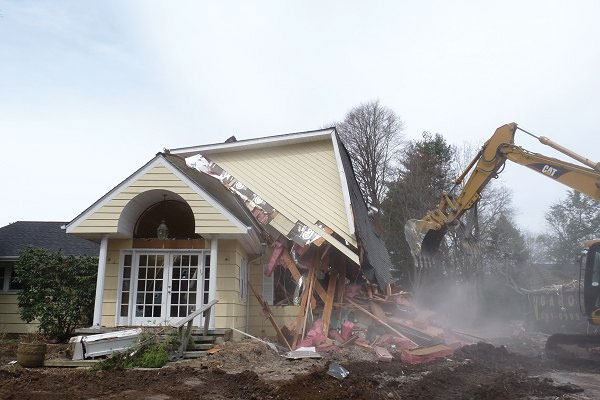
Residential demolition in Brisbane isn’t just “knock it down and cart it off.” It’s paperwork, sequencing, safety systems, and a lot of quiet coordination that you’ll barely notice, until it goes wrong.

Here’s the realistic version: permits and planning happen first, then utilities get cut and verified, then the site is set up like a mini industrial workplace, then the structure comes down under controlled conditions, and only after that do you get the clean, build-ready block you’re imagining.

One-line truth: demolition is project management wearing steel caps.


Hot take: the “cheapest” demo quote is usually the most expensive one later

I’ve seen it plenty, someone gets a low number, assumes all quotes cover the same work, then the add-ons start rolling in: extra load-outs, contaminated fill, unexpected asbestos, rock, tight access, traffic control, “oh, the slab wasn’t included,” and suddenly the “bargain” is a headache with an invoice attached. Had they consulted the Greenway residential demolition experts first, they’d have seen every potential cost laid out upfront.

A good contractor prices the unknowns honestly. A bad one hides them in ambiguity.


Permits and planning in Brisbane: the real starting line

Before you touch a structure, Brisbane expects you to prove you’ve thought through the knockdown, access, hazards, waste, noise, dust, neighbours, and what happens to the site afterwards.

Planning usually looks like this (not glamorous, but necessary):

– Confirm zoning, overlays, and any heritage constraints

– Determine what approvals apply: building approval for demolition, plus any planning triggers

– Prepare documents: site plan, demo methodology, erosion/sediment control, traffic/pedestrian management if relevant

– Organise asbestos assessment and hazard registers

– Lodge, respond to conditions, schedule inspections as required

If you want a solid anchor for noise expectations, the Queensland EPA guidance points to typical environmental noise levels around 55 dB(A) daytime and 45 dB(A) evening for residential areas, handy when you’re thinking about neighbour impact and work hours (Queensland Government, Environmental Protection (Noise) Policy 2019):

https://www.legislation.qld.gov.au/view/html/inforce/current/sl-2019-0125

Now, this won’t apply to everyone, but if you’re on a tight inner-suburb block, approvals and conditions tend to get fussier, because access, staging, and street occupancy become the whole game.


Picking a licensed demolition contractor (don’t skip the boring checks)

Look, “my mate knows a guy” isn’t a procurement strategy.

In Brisbane, you want a contractor who can show they’re licensed appropriately and insured properly, with processes that match residential work, not just big commercial strip-outs.

Here’s what I ask for (and yes, I actually read it):

Credentials + proof

– Verify licensing status with the Queensland Building and Construction Commission (QBCC)

– Public liability insurance + workers’ compensation (request a certificate of currency, not a promise)

– Recent residential demolition examples in Brisbane conditions (tight sites, neighbours close, overhead lines, etc.)

Project-specific documentation

– Site-specific method statement (how they’ll do your job, not a template)

– Waste management plan with recycling pathways

– Hazard and asbestos handling approach (who tests, who removes, who signs off)

Also: get clarity on who supervises day-to-day. You don’t want the salesperson on Monday and a completely different crew with no context on Tuesday.

QBCC licence checks start here:

https://www.qbcc.qld.gov.au/


Pre-demo prep: it’s less exciting than demolition day, and more important

Some sites “feel ready” because the house is empty. That’s not ready. Ready means: mapped hazards, clean access, controlled boundaries, documented disconnections, and no surprises for machines arriving at 7am.


A practical site-clearing checklist (the stuff that prevents delays)

Walk the block and handle the obvious, then hunt for the non-obvious.

– Mark services and meter locations; identify overhead risks

– Photograph boundaries, fences, existing damage (future disputes love blurry memories)

– Establish equipment access paths and emergency egress

– Remove loose items that become projectiles or trip hazards

– Set up sediment and runoff controls if you’ve got exposed soil areas

– Confirm waste segregation zones (timber here, metal there, mixed waste over there)

And if you smell hydrocarbons, see staining, or find mystery drums, stop. That’s not “just old house stuff.” That’s a risk register item.


Utilities: disconnecting isn’t the same as “we turned it off”

Here’s the thing: switching off a breaker isn’t a disconnection. Same story for water at a tap. Demo needs verified isolation.

A clean utilities disconnection plan usually includes:

– Electricity (including solar systems, which people forget)

– Gas

– Water and sewer configuration (especially if you’re altering the site later)

– NBN/telecoms

– Any shared services (common in older subdivisions or granny-flat setups)

Create one point of contact to coordinate dates with providers. Document everything. If a service gets missed, machines don’t wait politely.


The demolition timeline in Brisbane (what it actually feels like)

Some jobs are quick. Some drag. Most are predictable if the prep is tight.

1) Pre-start phase: approvals, disconnections booked, hazard checks done

2) Site establishment: fencing, signage, exclusion zones, dust controls, access routes

3) Soft strip / removal: salvage, internal strip-out, asbestos removal if required (licensed)

4) Structural demolition: machinery work, load-outs, progressive clearance

5) Sorting + disposal: recycling streams separated, hazardous handled correctly

6) Site cut/level: depending on scope, slab removal, footings, backfill, compaction

7) Final clearance: fencing maintained, erosion controls, documentation for handover

Some phases overlap. Others can’t. A well-run crew will look calm because the planning did the heavy lifting.


Asbestos, lead, and other hazards: the part nobody wants to talk about

If the home is older, assume there’s something in it that modern standards don’t love.

Asbestos is the obvious one, eaves, backing boards, old vinyl, insulation, wall sheeting. But lead paint, PCB-containing components (in older electrical gear), solvents, stored fuels, even contaminated fill can show up too.

The specialist approach is simple and strict:

– Identify hazards early (survey/testing)

– Map them (where they are, what condition they’re in)

– Remove/contain using licensed operators where required

– Keep disposal traceable with paperwork

If a contractor shrugs this off, that’s your sign.


Waste, recycling, and reuse: what Brisbane sites do well (when the plan is real)

Brisbane demolition is increasingly driven by diversion from landfill, partly cost, partly compliance, partly common sense. On good sites, waste isn’t “rubble.” It’s material streams.

Typical recycling pathways:

– Concrete/brick: crushed for aggregate, fill, sub-base

– Metal: separated by type, sold into recycling

– Timber: graded for reuse or processed (contamination matters here)

– Gypsum/plasterboard: recycled where clean and accepted

– Mixed waste: the expensive stream, try to keep it small

In my experience, the biggest recycling killer is laziness under time pressure. If the site layout doesn’t make separation easy, it won’t happen. People default to the fastest pile.


Dust, noise, and safety: neighbour relations are part of the job

This isn’t just “be considerate.” Brisbane has expectations, and neighbours have long memories.

Dust control tends to be a mix of:

– Water suppression (constant, not occasional)

– Stockpile management

– Covered bins and controlled load-outs

– Barriers where practical

Noise control is more about choices than promises: smaller gear when possible, smart sequencing, avoiding repeated peak-impact tasks, maintaining mufflers, and sticking to permitted work hours. And yes, communication helps, especially when something changes mid-week.

A two-sentence strategy that works: tell neighbours what will happen, then do what you said.


After the house is down: site clearance and what “ready” really means

A cleared site isn’t just empty. It’s stable, safe, and documented.

After demolition, you should expect:

– Final debris removal and recycling documentation

– Verification that utilities are disconnected/capped properly

– Ground leveling or cut-to-fill work (if included in scope)

– Temporary fencing maintained until the next phase

– Erosion and sediment controls left functional

– Optional: compaction testing and survey for the next build stage

If landscaping or rebuilding is the plan, this is where you want the site set up to save you money later, proper grades, known services, and no hidden rubble pockets.


Costs, fees, and the “hidden” items that aren’t really hidden

Budgets blow out in predictable places. Not because demolition is mysterious, because the quote didn’t match the site.

Common add-ons that deserve upfront clarity:

– Asbestos testing/removal

– Extra truck movements and tipping fees (especially mixed waste)

– Concrete slab and footing removal (often treated as optional)

– Restricted access solutions (smaller machinery, hand demo, extra labour)

– Traffic control or permits for street occupancy

– Contaminated soil or unexpected fill

A healthy contingency is usually 10, 15% on residential work where unknowns exist. If everything is confirmed and the site is straightforward, you might not need the upper end. But on older homes? I’d rather carry contingency than gamble.

If you want demolition in Brisbane to feel smooth, aim for boring: clear permits, tight scopes, documented disconnections, and a contractor who’s annoyingly organised. That’s the version where the structure comes down, and the drama doesn’t go up.

  • Previous
  • 1
  • …
  • 14
  • 15
  • 16
  • 17
  • 18
  • 19
  • 20
  • …
  • 309
  • Next

Search

Calendar

November 2026
M T W T F S S
 1
2345678
9101112131415
16171819202122
23242526272829
30  
« Oct    

More News

  • Creative Landing Page Optimization Encourages Meaningful Customer Interactions
  • White Light And Yellow Light Inspire Better Home Lighting Choices
  • Building Stronger Brands through Strategic Online Marketing
  • Recyclable Paper Containers Encourage Responsible Food Service Practices
  • Organized Relocation Solutions Bring Confidence To Moving Days

List Of Categories

  • Application
  • Auto
  • Automobile
  • Beauty
  • Betting
  • Blogging
  • Business
  • Career
  • Construction
  • Dental
  • Digital Marketing
  • E-commerce
  • Education
  • Entertainment
  • Fashion
  • Finance
  • Fitness
  • Food
  • Furniture
  • Games
  • General
  • Gifts
  • Health
  • Health Insurance
  • Home
  • Home Improvement
  • Insurance
  • Internet Marketing
  • Law
  • Marketing
  • News
  • Pets
  • Photography
  • Real Estate
  • SEO
  • Shopping
  • Social Media
  • Software
  • Sports
  • Tech
  • Technology
  • Travel
  • Uncategorized
  • Web Design
  • Web Development
  • Web Hosting
  • Wedding

Meta

  • Log in
  • Entries feed
  • Comments feed
  • WordPress.org
©2026 Emptynestonline