
Efficient fluid management helps equipment operate smoothly, supports consistent output, and makes better use of resources. Solenoid valves use electrical signals to control liquids and gases with speed and precision. A useful starting point for understanding their role is https://www.vincervalve.com/what-is-a-solenoid-valve/, which explains the operating principle behind these compact control devices. With suitable selection and installation, they simplify routine operations and support dependable flow regulation.
How Solenoid Valves Support Fluid Control
A solenoid valve combines an electromagnetic coil with a mechanical valve mechanism. When the coil receives an electrical signal, its magnetic field moves an internal plunger, opening or closing a passage. This enables responsive control without manual operation.
Key contributions include:
- Accurate switching: Controls fluid movement at the required moment.
- Fast response: Reacts quickly to electrical commands and coordinates equipment cycles.
- Automation compatibility: Connects with suitable control circuits for remote or programmed operation.
- Compact construction: Fits equipment layouts where installation space is limited.
- Repeatable performance: Maintains consistent sequences across recurring tasks.
Choosing a Practical Valve Design
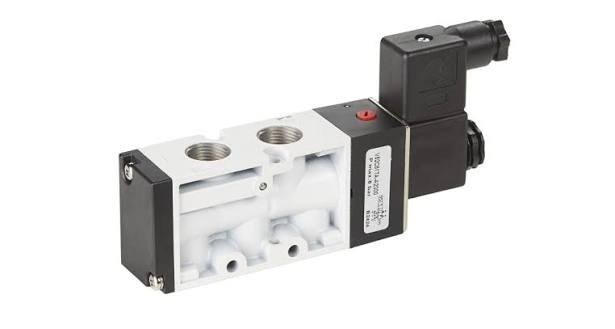
The right configuration depends on the required flow path, operating pressure, fluid characteristics, and preferred position when power is removed. Considering these factors helps create an efficient system.
Common options include:
- Two-way valves: Open or close one flow path for straightforward on-off control.
- Three-way valves: Direct flow between alternative paths and support switching or venting.
- Normally closed designs: Keep the passage closed without electrical power when flow should stop by default.
- Normally open designs: Allow flow when de-energized, fitting systems that benefit from an open default position.
- Direct-acting models: Move the valve mechanism directly and can suit low-pressure conditions.
- Pilot-operated models: Use a small pilot passage and fluid pressure to control larger flow paths when conditions are suitable.
Improving Efficiency Through Good System Planning
Fluid management improves when valve specifications match operating requirements. Before choosing a solution, consider:
- Fluid type and compatibility with body and seal materials.
- Minimum and maximum working pressure.
- Required flow rate and connection size.
- Fluid temperature and surrounding conditions.
- Coil voltage, electrical supply, and control arrangement.
- Normal operating position and response during power interruption.
Correct sizing helps maintain suitable flow while avoiding unnecessary restriction. Proper installation, clean fluid where required, and routine inspection support dependable operation. Checking seals, electrical connections, and movement during maintenance can preserve consistent performance.
Practical Benefits Across Fluid-Based Systems
Solenoid valves support applications such as water distribution, air circuits, cooling equipment, cleaning systems, and automated machinery. Their response to electrical commands makes it easier to coordinate operations within a process. They can reduce manual intervention, support measured fluid delivery, and improve the repeatability of equipment cycles.
A well-planned fluid control arrangement combines suitable valve design, compatible materials, correct electrical specifications, and thoughtful maintenance. By matching each component to its task, users can build systems that are organized, responsive, and resource-conscious. For further information about valve solutions and product details, visit https://www.vincervalve.com/es/ and explore practical approaches to efficient fluid management.