
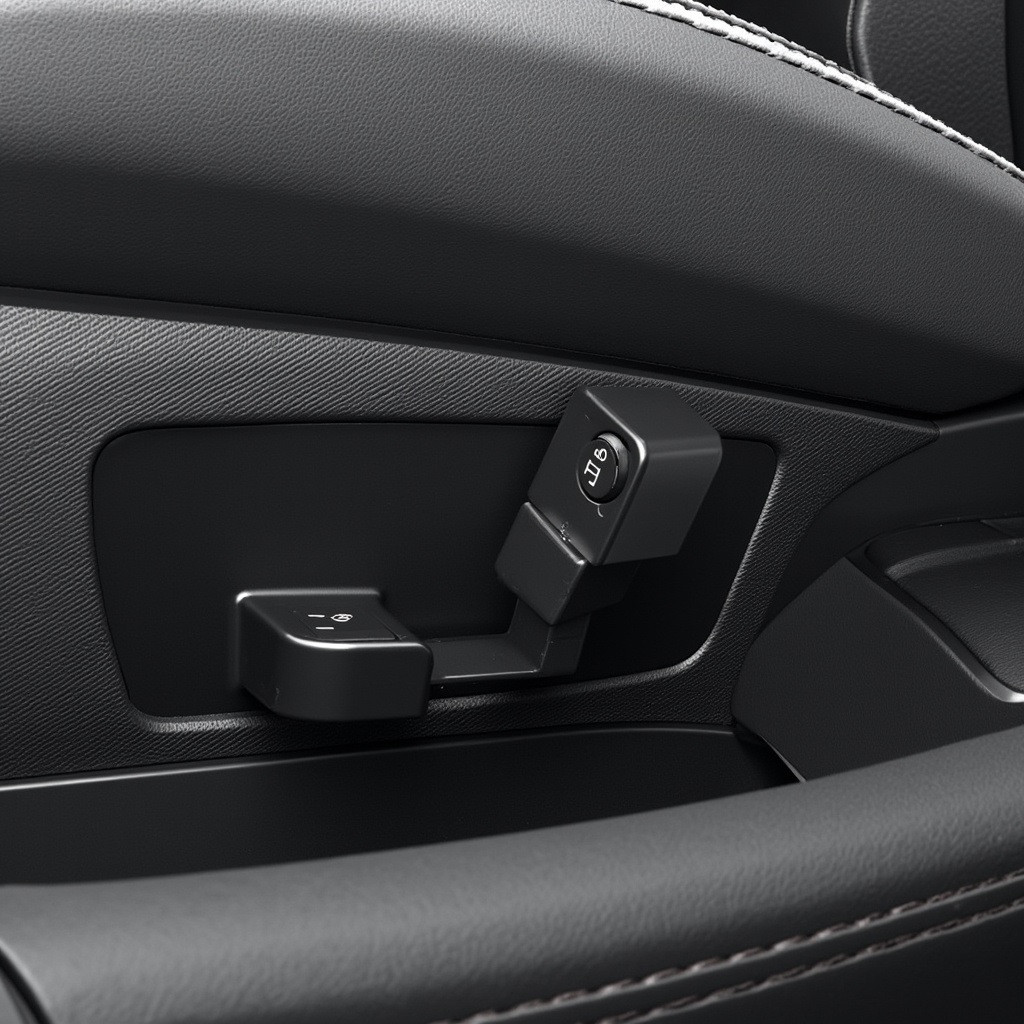
Most drivers never think about the tiny components that make their car feel like an extension of their body. You slide into the seat, press a button, and the lumbar support moves exactly where you want it. You close the door, and it clicks with a satisfying, secure sound. That precision, that reliability, comes down to one unsung hero: the automotive micro switch. And in modern vehicles, where comfort and security are non-negotiable, the difference between a cheap, flimsy switch and a robust, engineered solution is the difference between a luxury experience and a frustrating rattle.
Let’s cut the fluff. The car seat is a battlefield of constant, repetitive motion. Every time you adjust the recline, the height, or the forward tilt, a micro switch inside the motor assembly is registering that command. These switches don’t get a break. They face vibration from the road, temperature swings from freezing winter mornings to scorching summer afternoons, and the sheer mechanical stress of a 200-pound person shifting their weight. A standard switch will fail here. It will bounce, it will corrode, or it will simply wear out after 10,000 cycles. That’s why automotive-grade solutions from Unionwell are built differently. They use a hardened internal spring mechanism and gold-plated contacts that resist oxidation. The result? A switch that can handle over a million actuations without losing its tactile feedback. For the driver, that means the seat adjustment button feels crisp and responsive for the entire life of the car, not just the warranty period.
Now, pivot to door locks. This is where the stakes get higher. A faulty micro switch in a door lock doesn’t just mean an annoying rattle; it means a safety hazard. If the switch fails to register that the door is fully closed, the interior light stays on, the alarm system stays disarmed, and in a worst-case scenario, the door could unlatch during a collision. The engineering challenge here is environmental sealing. Door locks live in a hostile zone where water, dust, and salt spray are constant threats. A standard unsealed switch will short out within months. The solution is a fully sealed micro switch with an IP67 rating. Unionwell designs these with a silicone rubber boot that covers the actuator, preventing any ingress of moisture while still allowing a smooth, low-force press. The electrical circuit is also designed with a high contact force to burn off any minor contamination that might sneak in. This isn’t just about convenience; it’s about ensuring that the door lock mechanism communicates correctly with the vehicle’s body control module every single time.
The real magic, however, happens when you look at the integration. Car manufacturers are obsessed with weight reduction and space optimization. A bulky, old-school switch assembly doesn’t fit into a slim door panel or a sleek seat frame. The trend is toward miniaturized, surface-mount micro switches that can be soldered directly onto a printed circuit board. This cuts down on wiring harnesses and reduces assembly time. Unionwell has pushed this envelope by creating a sub-miniature switch that still delivers a high electrical load capacity. It’s a paradox: smaller footprint, but tougher performance. For the OEM, this means they can design thinner door panels with more interior room. For the end-user, it means a quieter, more refined cabin because there are fewer mechanical linkages to vibrate.
One specific pain point that often gets overlooked is the “dead zone” in memory seat systems. You know the scenario: you set your seat position, but every time you get in, it’s off by a millimeter. That’s usually a micro switch that has lost its repeatability. The switch isn’t making consistent contact at the exact same point. High-precision switches from Unionwell solve this by using a snap-action mechanism with a very tight differential travel. This means the switch actuates at the exact same physical position every single time, with a variance of less than 0.1 millimeters. This precision is what allows a car to remember exactly where your left thigh support was, and return to that spot perfectly after your spouse drives the car.
Let’s talk about the elephant in the room: cost. There is a temptation for manufacturers to source the cheapest micro switch they can find from a generic supplier. It saves them fifteen cents per unit. But that fifteen-cent savings turns into a warranty claim when the door lock actuator fails at 30,000 miles. The labor cost alone to replace a door lock module is fifty times the price of the switch. The smart play is to invest in a switch that is tested to automotive standards like AEC-Q200, which includes rigorous humidity, thermal shock, and mechanical endurance tests. Unionwell’s automotive line is built to these specs from the ground up, using materials that don’t outgas or degrade over time. It’s a classic case of paying a little more upfront to avoid a massive headache later.
Finally, consider the user experience of the tactile feel. A door lock switch that feels mushy or requires excessive force to press creates a perception of cheapness. A seat adjustment switch that has a vague, indistinct click makes the driver question if the command was actually registered. The human hand is incredibly sensitive to haptic feedback. A well-engineered micro switch provides a crisp, audible snap with a consistent operating force. This isn’t an accident; it’s a deliberate design choice. Unionwell tunes the spring tension and the contact gap to deliver that satisfying click that says, “Yes, I locked the door.” It’s a small detail, but it’s the kind of detail that separates a premium vehicle from an economy one.
In short, the micro switch is the silent workhorse of the modern cabin. It doesn’t get the glory of a touchscreen or the flash of ambient lighting, but without it, the seat won’t move and the door won’t lock. The right solution is not a commodity; it’s a precision component that demands respect. For any manufacturer serious about building a car that feels solid and secure, the choice is clear: stop treating the micro switch as an afterthought and start treating it as a core part of the engineering DNA.