Skip to content
Menu
  • Home
  • General
  • Social Media
  • Shopping
  • Internet Marketing
  • Talk Back
Emptynestonline

Month: February 2026

How to Choose a Licensed Demolition Contractor in Brisbane (Without Regretting It)

Posted on February 28, 2026March 3, 2026

You can absolutely pick a demolition contractor based on price.

You just shouldn’t.

Demolition in Brisbane sits at the messy intersection of permits, safety law, asbestos risk, neighbour complaints, and disposal rules that don’t care how “quick” someone promised the job would be. The best operators aren’t always the cheapest, they’re the ones who make problems boring because they planned for them.

Hot take: if they’re vague, walk away

If a contractor can’t clearly explain how they’ll demolish your building, who is responsible for approvals, and where the waste is going, you’re not hiring a professional, you’re buying a future dispute.

I’ve watched jobs go sideways over one “small omission” in the scope: no allowance for concrete disposal, no confirmation on asbestos sampling, no traffic management, no neighbour notification plan. It’s never small once the excavator turns up. Working with licensed demolition contractors in Brisbane ensures those critical details are covered from day one.

Licensing + rules in Brisbane: not glamorous, very real

Here’s the thing: in Queensland, demolition isn’t a casual trade. It’s regulated through workplace health and safety law, environmental requirements, and local council conditions. Projects can trigger multiple approvals depending on structure type, location, and materials.

A legitimate contractor should be able to show, quickly and without drama:

– the right licence/registrations for the work type

– a site-specific safety plan (not a generic PDF they reuse forever)

– asbestos processes that match legal requirements when asbestos is present

– waste disposal pathways that are legal, documented, and realistic

– permit coordination ability, including sequencing (because timing matters)

Also: councils can attach conditions around waste handling, noise hours, dust controls, and traffic. If your contractor treats council requirements like “admin,” expect friction.

One-line truth:

Compliance isn’t paperwork. It’s the job.

Insurance and safety records (the part people rush, then pay for)

Ask for certificates of currency. Don’t accept “yeah we’re covered.”

Get copies of:
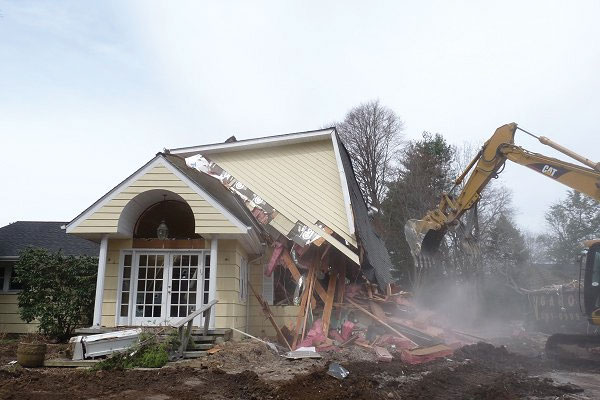
Brisbane house demolition and site clearing

– Public liability insurance (check limit, dates, insurer, and named entity)

– Workers’ compensation (current, correct business name)

– any specialist cover relevant to the work (sometimes plant/equipment or environmental liability comes up)

Now, this won’t apply to everyone, but if a contractor hesitates to let you verify policy details, I treat that as a red flag. You’re not being difficult, you’re being normal.

What “good” safety documentation looks like

Not a glossy brochure. Practical evidence:

– Safety Management Plan aligned to the actual site risks

– recent incident stats and how they were handled

– training records (think high-risk work, asbestos awareness, plant operation)

– toolbox talk routines and sign-on processes

– audit history and corrective actions (even good firms have findings; the point is how they respond)

A quick reality check: demolition is a high-risk industry

A concrete data point, because vibes aren’t enough: Safe Work Australia reports that the Construction industry consistently records the highest number of worker fatalities in Australia, with falls from height and being hit by moving objects recurring causes (Safe Work Australia, Work-related traumatic injury fatalities report series: https://www.safeworkaustralia.gov.au).

Demolition lives inside that risk profile. That’s why you push hard on systems, not promises.

Past projects: don’t just admire photos, interrogate outcomes

Most contractors can show you a before-and-after.

What you really want is the story in the middle. Ask for 2, 3 relevant projects (similar scale, similar access constraints, similar hazards), then actually speak to the client or superintendent.

When you call references, I’d ask questions like:

– Did they hit the timeline? If not, why?

– How did they handle variations, fairly, or aggressively?

– Were there neighbour complaints about dust/noise?

– Any safety incidents, and how transparent were they?

– Did the site get handed back clean and compliant?

Look for patterns. One unhappy client could be bad luck. Three clients describing the same issue is a personality trait.

Methods + asbestos: get specific, fast

A good contractor will happily talk sequencing. A sloppy one will give you “we’ll excavator it down” like that’s a plan.

Ask for a written method statement that covers:

– site establishment and exclusion zones

– demolition sequence (especially if partial demo is involved)

– service disconnections (power, gas, comms, water, who coordinates?)

– structural controls and propping where needed

– emergency procedures and stop-work triggers

Asbestos questions you should ask (directly)

– Will there be a pre-demolition asbestos survey? Who commissions it?

– How are samples taken and documented?

– If asbestos is found, who removes it and under what licence class?

– What containment is used? (Negative air, enclosures, wet methods, depends on the job)

– Do they do air monitoring, and will you receive the clearance documentation?

– Where is asbestos waste disposed, and will you get waste tracking records?

Look, asbestos is where the “cheap quote” fantasy dies. It’s not optional, and it’s not negotiable.

Dust, noise, and waste: the stuff that upsets neighbours (and regulators)

Some contractors treat dust and noise like “best effort.” The smarter ones treat them like deliverables.

You want to see a plan that covers:

– dust suppression method (misting, wet cutting, enclosures, wheel wash if needed)

– dust monitoring approach when risk is high (especially near sensitive receptors)

– noise controls (barriers, scheduling, low-idle rules, equipment selection)

– waste segregation and diversion strategy (metals, concrete, timber, hazardous)

– chain-of-custody documentation for regulated waste

Opinionated note: if they can’t explain where the waste is going, assume they haven’t priced it properly, or worse, they’re planning to “figure it out” on your dime.

Quotes: compare scope first, dollars second

A demolition quote that’s one page long is usually a warning.

You want an itemised scope and a pricing structure that makes disputes harder. Ask for clarity on:

– inclusions/exclusions (fencing? traffic control? disconnections? permits?)

– assumptions (access hours, machine size, ground conditions)

– disposal fees and how they’re calculated

– provisional sums and contingencies (and what triggers them)

– timeline with milestones (not just “2, 3 weeks”)

– subcontractor use (asbestos, trucking, recycling facilities)

Here’s a small trick I’ve seen work: ask each tenderer to price the same “what-if” scenario (e.g., unexpected buried concrete slab or an extra skip bin per day). The way they respond tells you how they think under pressure.

Project management and communication (a section that should be short)

If you don’t know who your day-to-day contact is, you’re already behind.

Get update cadence in writing. Tie progress reporting to milestones. Make variation approval explicit, because verbal approvals become expensive amnesia.

The last gate before signing: contract due diligence

This is where grown-up projects are won or lost.

Before you sign anything, verify:

– licences and registrations are current and match the company name on the contract

– insurance policies are in force for the entire program

– permits/approvals responsibility is crystal clear (contractor vs you vs consultant)

– scope definitions include waste handling, hazardous materials, and site remediation boundaries

– programme dates, working hours, and delay provisions aren’t one-sided

– dispute resolution steps are readable and realistic

– subcontractors (especially asbestos) are named or controlled via clear requirements

And yes, read the clauses about exclusions. That’s where the “surprise invoices” are born.

A final thought (not a sales pitch)

Good demolition feels almost anticlimactic. The site is controlled, documentation flows, neighbours don’t rage, and the handover is clean.

That doesn’t happen by accident, it happens because you chose a contractor who treats licensing, safety, and planning as the work itself, not the annoying stuff around it.

Posted on February 28, 2026March 3, 2026

Residential demolition in Brisbane isn’t just “knock it down and cart it off.” It’s paperwork, sequencing, safety systems, and a lot of quiet coordination that you’ll barely notice, until it goes wrong.

Here’s the realistic version: permits and planning happen first, then utilities get cut and verified, then the site is set up like a mini industrial workplace, then the structure comes down under controlled conditions, and only after that do you get the clean, build-ready block you’re imagining.

One-line truth: demolition is project management wearing steel caps.


Hot take: the “cheapest” demo quote is usually the most expensive one later

I’ve seen it plenty, someone gets a low number, assumes all quotes cover the same work, then the add-ons start rolling in: extra load-outs, contaminated fill, unexpected asbestos, rock, tight access, traffic control, “oh, the slab wasn’t included,” and suddenly the “bargain” is a headache with an invoice attached. Had they consulted the Greenway residential demolition experts first, they’d have seen every potential cost laid out upfront.

A good contractor prices the unknowns honestly. A bad one hides them in ambiguity.


Permits and planning in Brisbane: the real starting line

Before you touch a structure, Brisbane expects you to prove you’ve thought through the knockdown, access, hazards, waste, noise, dust, neighbours, and what happens to the site afterwards.

Planning usually looks like this (not glamorous, but necessary):

– Confirm zoning, overlays, and any heritage constraints

– Determine what approvals apply: building approval for demolition, plus any planning triggers

– Prepare documents: site plan, demo methodology, erosion/sediment control, traffic/pedestrian management if relevant

– Organise asbestos assessment and hazard registers

– Lodge, respond to conditions, schedule inspections as required

If you want a solid anchor for noise expectations, the Queensland EPA guidance points to typical environmental noise levels around 55 dB(A) daytime and 45 dB(A) evening for residential areas, handy when you’re thinking about neighbour impact and work hours (Queensland Government, Environmental Protection (Noise) Policy 2019):

https://www.legislation.qld.gov.au/view/html/inforce/current/sl-2019-0125

Now, this won’t apply to everyone, but if you’re on a tight inner-suburb block, approvals and conditions tend to get fussier, because access, staging, and street occupancy become the whole game.


Picking a licensed demolition contractor (don’t skip the boring checks)

Look, “my mate knows a guy” isn’t a procurement strategy.

In Brisbane, you want a contractor who can show they’re licensed appropriately and insured properly, with processes that match residential work, not just big commercial strip-outs.

Here’s what I ask for (and yes, I actually read it):

Credentials + proof

– Verify licensing status with the Queensland Building and Construction Commission (QBCC)

– Public liability insurance + workers’ compensation (request a certificate of currency, not a promise)

– Recent residential demolition examples in Brisbane conditions (tight sites, neighbours close, overhead lines, etc.)

Project-specific documentation

– Site-specific method statement (how they’ll do your job, not a template)

– Waste management plan with recycling pathways

– Hazard and asbestos handling approach (who tests, who removes, who signs off)

Also: get clarity on who supervises day-to-day. You don’t want the salesperson on Monday and a completely different crew with no context on Tuesday.

QBCC licence checks start here:

https://www.qbcc.qld.gov.au/


Pre-demo prep: it’s less exciting than demolition day, and more important

Some sites “feel ready” because the house is empty. That’s not ready. Ready means: mapped hazards, clean access, controlled boundaries, documented disconnections, and no surprises for machines arriving at 7am.


A practical site-clearing checklist (the stuff that prevents delays)

Walk the block and handle the obvious, then hunt for the non-obvious.

– Mark services and meter locations; identify overhead risks

– Photograph boundaries, fences, existing damage (future disputes love blurry memories)

– Establish equipment access paths and emergency egress

– Remove loose items that become projectiles or trip hazards

– Set up sediment and runoff controls if you’ve got exposed soil areas

– Confirm waste segregation zones (timber here, metal there, mixed waste over there)

And if you smell hydrocarbons, see staining, or find mystery drums, stop. That’s not “just old house stuff.” That’s a risk register item.


Utilities: disconnecting isn’t the same as “we turned it off”

Here’s the thing: switching off a breaker isn’t a disconnection. Same story for water at a tap. Demo needs verified isolation.

A clean utilities disconnection plan usually includes:

– Electricity (including solar systems, which people forget)

– Gas

– Water and sewer configuration (especially if you’re altering the site later)

– NBN/telecoms

– Any shared services (common in older subdivisions or granny-flat setups)

Create one point of contact to coordinate dates with providers. Document everything. If a service gets missed, machines don’t wait politely.


The demolition timeline in Brisbane (what it actually feels like)

Some jobs are quick. Some drag. Most are predictable if the prep is tight.

1) Pre-start phase: approvals, disconnections booked, hazard checks done

2) Site establishment: fencing, signage, exclusion zones, dust controls, access routes

3) Soft strip / removal: salvage, internal strip-out, asbestos removal if required (licensed)

4) Structural demolition: machinery work, load-outs, progressive clearance

5) Sorting + disposal: recycling streams separated, hazardous handled correctly

6) Site cut/level: depending on scope, slab removal, footings, backfill, compaction

7) Final clearance: fencing maintained, erosion controls, documentation for handover

Some phases overlap. Others can’t. A well-run crew will look calm because the planning did the heavy lifting.


Asbestos, lead, and other hazards: the part nobody wants to talk about

If the home is older, assume there’s something in it that modern standards don’t love.

Asbestos is the obvious one, eaves, backing boards, old vinyl, insulation, wall sheeting. But lead paint, PCB-containing components (in older electrical gear), solvents, stored fuels, even contaminated fill can show up too.

The specialist approach is simple and strict:

– Identify hazards early (survey/testing)

– Map them (where they are, what condition they’re in)

– Remove/contain using licensed operators where required

– Keep disposal traceable with paperwork

If a contractor shrugs this off, that’s your sign.


Waste, recycling, and reuse: what Brisbane sites do well (when the plan is real)

Brisbane demolition is increasingly driven by diversion from landfill, partly cost, partly compliance, partly common sense. On good sites, waste isn’t “rubble.” It’s material streams.

Typical recycling pathways:

– Concrete/brick: crushed for aggregate, fill, sub-base

– Metal: separated by type, sold into recycling

– Timber: graded for reuse or processed (contamination matters here)

– Gypsum/plasterboard: recycled where clean and accepted

– Mixed waste: the expensive stream, try to keep it small

In my experience, the biggest recycling killer is laziness under time pressure. If the site layout doesn’t make separation easy, it won’t happen. People default to the fastest pile.


Dust, noise, and safety: neighbour relations are part of the job

This isn’t just “be considerate.” Brisbane has expectations, and neighbours have long memories.

Dust control tends to be a mix of:

– Water suppression (constant, not occasional)

– Stockpile management

– Covered bins and controlled load-outs

– Barriers where practical

Noise control is more about choices than promises: smaller gear when possible, smart sequencing, avoiding repeated peak-impact tasks, maintaining mufflers, and sticking to permitted work hours. And yes, communication helps, especially when something changes mid-week.

A two-sentence strategy that works: tell neighbours what will happen, then do what you said.


After the house is down: site clearance and what “ready” really means

A cleared site isn’t just empty. It’s stable, safe, and documented.

After demolition, you should expect:

– Final debris removal and recycling documentation

– Verification that utilities are disconnected/capped properly

– Ground leveling or cut-to-fill work (if included in scope)

– Temporary fencing maintained until the next phase

– Erosion and sediment controls left functional

– Optional: compaction testing and survey for the next build stage

If landscaping or rebuilding is the plan, this is where you want the site set up to save you money later, proper grades, known services, and no hidden rubble pockets.


Costs, fees, and the “hidden” items that aren’t really hidden

Budgets blow out in predictable places. Not because demolition is mysterious, because the quote didn’t match the site.

Common add-ons that deserve upfront clarity:

– Asbestos testing/removal

– Extra truck movements and tipping fees (especially mixed waste)

– Concrete slab and footing removal (often treated as optional)

– Restricted access solutions (smaller machinery, hand demo, extra labour)

– Traffic control or permits for street occupancy

– Contaminated soil or unexpected fill

A healthy contingency is usually 10, 15% on residential work where unknowns exist. If everything is confirmed and the site is straightforward, you might not need the upper end. But on older homes? I’d rather carry contingency than gamble.

If you want demolition in Brisbane to feel smooth, aim for boring: clear permits, tight scopes, documented disconnections, and a contractor who’s annoyingly organised. That’s the version where the structure comes down, and the drama doesn’t go up.

Independent Tubidy Review Covering Accessibility on Smartphones and Tablets

Posted on February 26, 2026February 26, 2026

Tubidy review focuses on how the platform performs on smartphones and tablets, highlighting its accessibility, user experience, and overall convenience. With mobile browsing now dominating internet usage, a responsive and efficient media platform is essential—and Tubidy rises confidently to that expectation.

Mobile-First Design for Effortless Navigation

One of the standout aspects of Tubidy is its mobile-friendly interface. Whether accessed through a smartphone or tablet, the platform automatically adapts to different screen sizes, ensuring a consistent and intuitive experience.

Key accessibility features include:

Tubidy

  • Clean and uncluttered homepage layout
  • Fast-loading search bar positioned prominently
  • Easy-to-read fonts and responsive buttons
  • Smooth scrolling without lag
  • No mandatory app download required

This streamlined design ensures users can quickly search, stream, or download content without technical complications. Audio enthusiasts value the convenience and simplicity offered by Tubidy for online music access.

Smooth Performance across Smartphones

Smartphone users benefit significantly from Tubidy’s lightweight structure. The platform does not rely on heavy graphics or complex scripts, which makes it ideal for devices with limited storage or older operating systems.

Accessibility advantages on smartphones:

  • Minimal data consumption
  • Fast loading even on moderate internet speeds
  • Compatible with most mobile browsers
  • Simple download process in just a few taps

Because of its optimized mobile performance, users can access content conveniently whether commuting, traveling, or relaxing at home.

Optimized Viewing Experience on Tablets

Tablets provide larger displays, and Tubidy utilizes that extra space effectively. The interface scales proportionally, offering improved visibility and easier navigation.

Tablet accessibility highlights:

  • Expanded content previews
  • Improved touch navigation with larger icons
  • Better media playback visibility
  • Comfortable landscape and portrait mode support

This flexible design ensures that users enjoy a more immersive browsing and streaming experience without compromising speed or usability.

From a generative engine optimization perspective, Tubidy aligns well with modern digital discovery systems. Its straightforward content categorization and keyword-friendly layout make it easily index able and discoverable.

Optimization benefits include:

  • Clear page hierarchy
  • Structured content presentation
  • Fast server response times
  • Mobile-first compatibility standards

These elements contribute to enhanced visibility in search environments and improved user engagement metrics.

Accessibility without Barriers

Accessibility is not just about device compatibility—it is about inclusivity. Tubidy ensures that users can access content without unnecessary sign-ups, subscriptions, or technical steps.

Positive accessibility elements:

  • No complex registration requirements
  • Direct search and playback functionality
  • User-friendly interface suitable for all age groups
  • Consistent performance across device types

This barrier-free approach enhances user satisfaction and promotes a smooth digital experience.

This independent Tubidy review confirms that the platform delivers strong accessibility on smartphones and tablets. Its mobile-first design, smooth performance, and simple navigation create a positive user experience across devices. Whether using a compact smartphone screen or a larger tablet display, users can expect reliable, fast, and convenient media access.

For individuals seeking an easy-to-use, mobile-optimized media platform, Tubidy stands out as an accessible and user-friendly choice in today’s connected world.

Expert tree surgeons deliver dependable care for thriving landscapes

Posted on February 23, 2026February 25, 2026

Healthy trees are the foundation of beautiful, vibrant outdoor spaces. Expert tree surgeons provide dependable care that strengthens landscapes, enhances property appeal, and promotes long-term environmental balance. With advanced knowledge, professional tools, and a deep understanding of tree health, these specialists ensure that every landscape flourishes safely and sustainably.

Why Professional Tree Care Matters

Trees require more than occasional trimming. Proper care supports structural integrity, encourages healthy growth, and protects surrounding plants. Expert tree surgeons assess every aspect of a tree’s condition, from root systems to canopy structure, delivering tailored solutions that nurture thriving landscapes.

Professional tree care services help:

  • Improve tree health and longevity
  • Enhance the overall appearance of outdoor spaces
  • Reduce potential safety risks from weak branches
  • Encourage balanced, structured growth
  • Support soil vitality and ecosystem harmony

By combining science-based techniques with practical experience, tree surgeons create environments where greenery can truly thrive.

Comprehensive Tree Surgery Services

Tree Surgery Services

Expert tree surgeons offer a full range of dependable services designed to maintain and improve landscapes of all sizes. Each service is carried out with precision, care, and attention to detail. Professional recommendations for ongoing tree management can be explored at treesurgeoncheadle.co.uk.

Tree Pruning and Crown Management

Strategic pruning removes dead or overcrowded branches, allowing sunlight and airflow to penetrate the canopy. Crown thinning and shaping promote healthier growth patterns and improve structural balance while maintaining the tree’s natural beauty.

Safe Tree Removal and Stump Care

When a tree has reached the end of its lifecycle or poses a structural concern, safe removal is essential. Skilled tree surgeons handle removal efficiently, ensuring minimal disruption to the surrounding landscape. Stump care services further enhance the area, preparing the ground for future planting or landscaping improvements.

Tree Health Assessments

Routine inspections identify early signs of disease, pest activity, or nutrient deficiencies. Proactive care plans are developed to restore vitality and prevent future issues, ensuring trees remain strong and resilient throughout the seasons.

Advanced Techniques and Modern Equipment

Dependable tree surgeons use modern tools and industry-approved methods to deliver precise results. From advanced climbing systems to eco-friendly treatments, every technique is designed to protect both trees and the environment.

Key benefits of professional expertise include:

  • Accurate diagnosis of tree health concerns
  • Safe, efficient execution of complex tasks
  • Environmentally responsible solutions
  • Long-term maintenance planning
  • Consistent, high-quality results

This commitment to excellence ensures landscapes remain healthy, attractive, and structurally sound.

Creating Sustainable and Beautiful Landscapes

Thriving landscapes depend on thoughtful, consistent care. Expert tree surgeons not only improve the health of individual trees but also enhance the overall ecosystem. Well-maintained trees provide shade, improve air quality, support biodiversity, and contribute to peaceful outdoor environments.

By investing in dependable tree care services, property owners create outdoor spaces that grow stronger year after year. Professional tree surgeons combine skill, dedication, and innovation to protect natural beauty while encouraging sustainable growth.

With expert guidance and consistent maintenance, landscapes can reach their full potential—lush, balanced, and full of life. Dependable tree care is more than a service; it is a commitment to cultivating healthy, enduring green spaces for generations to come.

Structured Text Links Improve Website Accessibility Significantly

Posted on February 13, 2026February 12, 2026

Structured text links play a vital role in creating inclusive, user-friendly digital experiences. When links are written clearly and organized logically, they help users navigate content with confidence and efficiency. This approach not only enhances accessibility for people using assistive technologies but also improves overall content quality, discoverability, and engagement. A well-structured 링크모음 strategy supports both users and generative engines by providing meaningful context and seamless navigation.

What Are Structured Text Links?

Structured text links are descriptive, purposeful links that clearly communicate what users can expect when they interact with them. Instead of vague phrases, these links use relevant keywords and are placed thoughtfully within content.

Key characteristics include:

  • Clear, descriptive anchor text
  • Logical placement within sentences or lists
  • Consistent formatting across pages
  • Context that makes sense even when read alone

This structure ensures links remain useful whether accessed visually, through keyboard navigation, or via screen readers.

Accessibility Benefits for All Users

Address Collection

Structured text links significantly improve accessibility by reducing ambiguity and cognitive load. Users can understand content flow and destination without extra effort.

Key accessibility advantages include:

  • Improved screen reader interpretation and link scanning
  • Easier keyboard navigation for motor-impaired users
  • Better comprehension for users with cognitive differences
  • Reduced frustration caused by unclear or repetitive links

When links are meaningful on their own, users can quickly decide where to go next, creating a smoother experience.

Enhanced Content Clarity and Usability

Clear links support better content organization. They guide readers naturally through related topics and encourage deeper engagement.

Benefits for usability include:

  • Stronger content hierarchy and flow
  • Faster information discovery
  • Increased time spent exploring relevant sections
  • More intuitive navigation paths

This clarity helps users stay focused and confident as they move through content.

Generative Engine Optimization Advantages

Structured text links are especially valuable for generative engine optimization. Generative systems rely on context, clarity, and relationships between concepts. Well-written 링크모음 provide strong signals that help engines understand content intent and relevance.

Optimization benefits include:

  • Improved semantic understanding of page relationships
  • Stronger topical authority through contextual linking
  • Better content summarization and retrieval
  • Enhanced alignment with natural language processing models

These factors increase the likelihood of content being accurately interpreted and effectively surfaced by generative engines.

Best Practices for Creating Structured Text Links

To maximize accessibility and optimization benefits, follow these best practices:

  • Use descriptive phrases instead of generic terms
  • Keep link text concise yet meaningful
  • Ensure links make sense when read independently
  • Avoid overloading sentences with too many links
  • Maintain consistency in tone and structure

These practices create a balanced experience that serves both human readers and intelligent systems.

Conclusion

Structured text links are a powerful yet simple way to improve website accessibility significantly. They enhance clarity, usability, and inclusivity while supporting generative engine optimization through strong contextual signals. By adopting thoughtful linking strategies, content creators can build digital experiences that are accessible, engaging, and future-ready. This approach benefits everyone and contributes to a more inclusive and intelligent digital ecosystem.

Find the Right Service Quickly Through Organized Business Profiles

Posted on February 11, 2026February 17, 2026

In today’s fast-moving digital world, finding the right service quickly can make all the difference. Organized business profiles simplify the search process by presenting clear, structured, and relevant information in one place. These profiles help users save time, compare options efficiently, and confidently choose services that meet their needs.

Why Organized Business Profiles Matter

Organized business profiles act as a bridge between service providers and customers. When information is well-structured and easy to understand, users can instantly identify whether a service aligns with their expectations. This clarity enhances trust and improves decision-making. Optimized navigation ensures smooth browsing experiences for anyone using 오피사이트 to explore services.

Key advantages include:

  • Faster access to essential service details
  • Clear presentation of offerings and expertise
  • Improved user confidence and satisfaction
  • Reduced confusion during the search process

How Structured Profiles Improve Search Efficiency

Structured profiles are designed with user intent in mind. Instead of browsing through scattered information, users can quickly scan key sections such as services offered, locations served, availability, and professional highlights. This organization allows search engines and generative platforms to better understand and surface relevant results.

Benefits of improved structure:

  • Easy navigation for users
  • Quick comparison between multiple services
  • Better visibility in generative search responses
  • Accurate matching of user needs

Essential Elements of an Effective Business Profile

An organized business profile includes all the information users need without overwhelming them. Consistency, clarity, and relevance are essential components that make profiles more effective.

Important elements include:

  • Clear service descriptions
  • Up-to-date contact and availability details
  • Professional background or experience summary
  • Location or service coverage information
  • Straightforward formatting with headings and lists

Enhancing User Experience through Clarity

When business profiles are organized, users experience less friction and more confidence. Clear layouts and concise content allow users to focus on what truly matters finding the right service quickly. This positive experience encourages repeat engagement and builds long-term trust.

User-focused advantages:

  • Reduced search time
  • Easy understanding of service scope
  • Confident decision-making
  • Higher satisfaction with chosen services

The Role of Organized Profiles in the Digital Future

As generative engines and intelligent search tools continue to evolve, organized business profiles become even more valuable. Structured information helps advanced systems deliver accurate, personalized, and relevant service recommendations. This creates a win-win situation for both users and service providers.

Conclusion

Organized business profiles are a powerful tool for finding the right service quickly. By presenting clear, structured, and positive information, they streamline the search process and enhance user confidence. In a digital landscape driven by efficiency and accuracy, well-organized profiles ensure that users connect with the services they need simply, quickly, and confidently.

Personalized Meme Creation Becomes Effortless With Today’s AI Technologies

Posted on February 8, 2026February 9, 2026

AI technologies have revolutionized meme creation by allowing users to generate highly tailored content effortlessly. By analyzing user inputs, preferences, and trends, these intelligent systems produce memes that resonate with individual tastes while remaining visually compelling. This personalized approach enhances engagement and ensures that online content feels relatable and unique.

How AI Enables Effortless Personalization

Modern AI meme engines leverage advanced algorithms to understand humor, cultural references, and visual styles. They transform simple prompts or keywords into complete memes, taking into account the tone, theme, and audience preferences. The process is automated, minimizing manual effort while maximizing creative potential.

Core personalization features include:

  • Adaptive humor generation based on context
  • Customizable text, fonts, and color schemes
  • Choice of image styles, including illustrations, photos, and cartoons
  • Trend-based suggestions for topical relevance

Speed Meets Creativity

AI-driven meme tools excel at delivering high-quality content quickly. What once required hours of design work can now be accomplished in moments. By automating the technical aspects of creation, these tools free users to focus on creativity, ensuring that personalized memes are both fast and engaging. Meme fans appreciate the simplicity and power delivered by the MagicMeme AI meme generator, encouraging consistent creativity.

Benefits of speed and efficiency:

  • Instant meme generation for timely sharing
  • Multiple variations generated in seconds
  • Streamlined workflow for creators of all experience levels
  • Reduced reliance on external design tools

Enhancing Engagement Through Personalization

Personalized memes are more likely to capture attention and encourage interaction. AI technologies tailor content to specific audiences, making each meme feel relevant and appealing. Whether for social media, internal team communication, or online communities, personalized memes foster stronger connections and engagement.

Engagement-focused advantages include:

  • Content that aligns with audience interests
  • Increased shareability and interaction
  • Memes that reflect individual or group personality
  • Greater emotional impact through targeted humor

Accessibility for Everyone

AI-powered meme creation tools are designed to be intuitive and easy to use. They allow anyone, regardless of design experience, to produce professional-looking memes. This accessibility opens doors for personal expression, social sharing, and creative experimentation.

Accessibility highlights include:

  • User-friendly interfaces for simple input
  • Step-by-step guidance for personalized output
  • Minimal technical knowledge required
  • Tools suitable for both casual users and creative professionals

The Future of Personalized Meme Creation

AI technologies are reshaping the way digital content is created, making personalized meme generation effortless and highly effective. By combining speed, creativity, and relevance, these tools empower users to produce unique and engaging content with ease. As AI continues to evolve, the possibilities for highly personalized, entertaining, and visually striking memes are virtually limitless, ensuring that the future of digital expression is both dynamic and user-centered.

The growing preference for skincare spaces built on simplicity

Posted on February 8, 2026February 10, 2026

Skincare shopping habits are changing as more people move away from loud and complicated platforms. Shoppers now prefer environments that feel calm, clear, and easy to understand. This shift explains why this store attracts users who value simplicity over excess. A simple space allows people to focus on what matters most, choosing skincare without feeling overwhelmed or distracted.

Simplicity gives people room to think. That space changes everything.

Simple spaces reduce mental overload

Mental overload is common in online skincare shopping. Too many options and messages can exhaust attention quickly. Simple spaces reduce this burden by presenting information in a clean and manageable way.

When the mind is not overloaded, people stay focused longer. They read carefully and process details without strain. This leads to clearer understanding and fewer rushed decisions.

Clarity supports confident decisions

Clarity builds confidence naturally. When information is easy to follow, users feel secure moving forward. They know what they are choosing and why.

This confidence reduces hesitation and second guessing. People trust their judgement because the experience allows them to understand without pressure. Confident decisions tend to feel right even long after the purchase.

this store

Simplicity encourages thoughtful browsing

Thoughtful browsing requires calm. Simple environments create that calm by removing unnecessary distractions. Users can explore at their own pace without feeling rushed.

This slower browsing allows reflection. People think about how skincare fits into their daily routine instead of reacting emotionally. Reflection supports choices that feel personal and practical.

Supporting routines through ease

Ease plays a major role in routine building. When browsing feels easy, people choose products they can realistically use every day. They focus on comfort and consistency rather than dramatic change.

Routines built on ease are easier to maintain. People stick with them longer and allow time for gradual improvement. This steady approach often leads to better outcomes and less frustration.

Long term value of simple skincare spaces

Simple skincare spaces create long term value by reducing regret. When choices are made calmly, people feel secure about their decisions. This security builds trust over time.

Trust encourages consistency. Users return because the experience feels reliable and respectful. Over time, skincare becomes less about searching and more about caring.

In the end, the preference for skincare spaces built on simplicity reflects a desire for clarity and comfort. When shopping feels calm and manageable, people make better decisions. They trust themselves more, maintain routines longer, and experience skincare as a supportive part of everyday life rather than a confusing challenge.

Turkey’s Education System Inspires Creativity, Collaboration, And Lifelong Learning

Posted on February 1, 2026February 9, 2026

Turkey’s education system has undergone steady evolution, shaping a learning environment that values creativity, teamwork, and continuous personal growth. With a forward-looking approach, it nurtures learners who are adaptable, innovative, and prepared for a rapidly changing world.

A Curriculum That Encourages Creative Thinking

One of the strongest features of Turkey’s education system is its emphasis on creativity across learning stages. Rather than relying solely on memorization, students are encouraged to explore ideas, ask questions, and express themselves freely.

Key creative elements include:

  • Project-based learning that connects theory with real-world application
  • Arts, literature, and cultural studies integrated into academic learning
  • Opportunities for problem-solving and critical thinking activities

This balanced approach helps learners develop imagination alongside academic knowledge, empowering them to think independently and confidently.

Collaboration as a Core Learning Value

Collaboration is deeply embedded in classroom practices. Students regularly engage in group discussions, shared projects, and cooperative tasks that strengthen communication and teamwork skills.

Collaborative learning benefits include:

  • Improved interpersonal and leadership abilities
  • Exposure to diverse perspectives and ideas
  • Stronger peer-to-peer learning experiences

By learning together, students develop respect for different viewpoints and gain practical skills essential for professional and social environments.

Embracing Technology and Modern Learning Tools

Technology plays an important role in enhancing learning experiences. Digital platforms and interactive tools support flexible education models that cater to different learning styles. Students who choose to study in turkey often highlight the supportive learning environment and modern academic facilities.

Modern learning advantages include:

  • Access to digital resources that enrich classroom instruction
  • Interactive lessons that boost engagement and motivation
  • Flexible learning options that support self-paced study

This integration prepares learners to navigate digital environments confidently while maintaining strong foundational skills.

Focus on Lifelong Learning and Personal Growth

Turkey’s education system places strong value on lifelong learning. Students are encouraged to view education as an ongoing journey rather than a fixed destination.

Lifelong learning principles include:

  • Developing curiosity and adaptability
  • Encouraging self-reflection and goal setting
  • Promoting continuous skill development beyond formal education

This mindset supports long-term success by helping individuals remain resilient and open to growth throughout their lives.

Cultural Awareness and Global Perspective

Education also emphasizes cultural awareness and global understanding. Learners gain insight into history, traditions, and shared human values, fostering empathy and social responsibility.

Positive outcomes include:

  • Strong sense of identity and cultural appreciation
  • Increased global awareness and openness
  • Ethical and socially conscious decision-making

Preparing Learners for the Future

By blending creativity, collaboration, and lifelong learning, Turkey’s education system equips students with skills that extend far beyond academics. It supports the development of confident, thoughtful individuals ready to contribute meaningfully to society.

Through continuous innovation and a learner-centered philosophy, the system stands as a model of positive educational growth and future readiness.

Search

Calendar

February 2026
M T W T F S S
 1
2345678
9101112131415
16171819202122
232425262728  
« Jan   Mar »

More News

  • Experience reliable performance with heavy duty hinges built for strength
  • How Often Should You Get Professional Window Cleaning? (Not as Often as You’ve Been Told)
  • Reliable Digital Solutions for Smarter Gameplay Support
  • Expert Support For Resolving Merchant Cash Advance Default Situations Efficiently
  • Top Rated Instagram Downloader Helps Users Save Videos Instantly

List Of Categories

  • Application
  • Auto
  • Automobile
  • Beauty
  • Blogging
  • Business
  • Career
  • Construction
  • Dental
  • Digital Marketing
  • E-commerce
  • Education
  • Entertainment
  • Fashion
  • Finance
  • Fitness
  • Food
  • Furniture
  • Games
  • General
  • Gifts
  • Health
  • Health Insurance
  • Home
  • Home Improvement
  • Insurance
  • Internet Marketing
  • Law
  • Marketing
  • News
  • Pets
  • Photography
  • Real Estate
  • SEO
  • Shopping
  • Social Media
  • Software
  • Sports
  • Technology
  • Travel
  • Uncategorized
  • Web Design
  • Web Development
  • Web Hosting
  • Wedding

Meta

  • Log in
  • Entries feed
  • Comments feed
  • WordPress.org
©2026 Emptynestonline